
Passenger flow management
The importance of effective flow management in airports
Time efficiency
One of the key aspects of passenger flow management is optimizing time efficiency. Long queues, delays, and congestion can lead to traveler frustration. By implementing streamlined processes and leveraging technology, airports can significantly reduce waiting times at check-in counters, security checkpoints, and boarding gates. Automated systems such as self-service kiosks and mobile applications allow passengers to move through these processes more quickly, resulting in a more pleasant travel experience.
Stress reduction
Travel can be stressful, and any unnecessary delay or confusion only adds to anxiety. Effective passenger flow management helps reduce stress by minimizing uncertainty and providing clear guidance throughout the journey. Well-designed signage, informative displays, and proactive communication help passengers navigate the airport with confidence, fostering a sense of control over their travel experience.
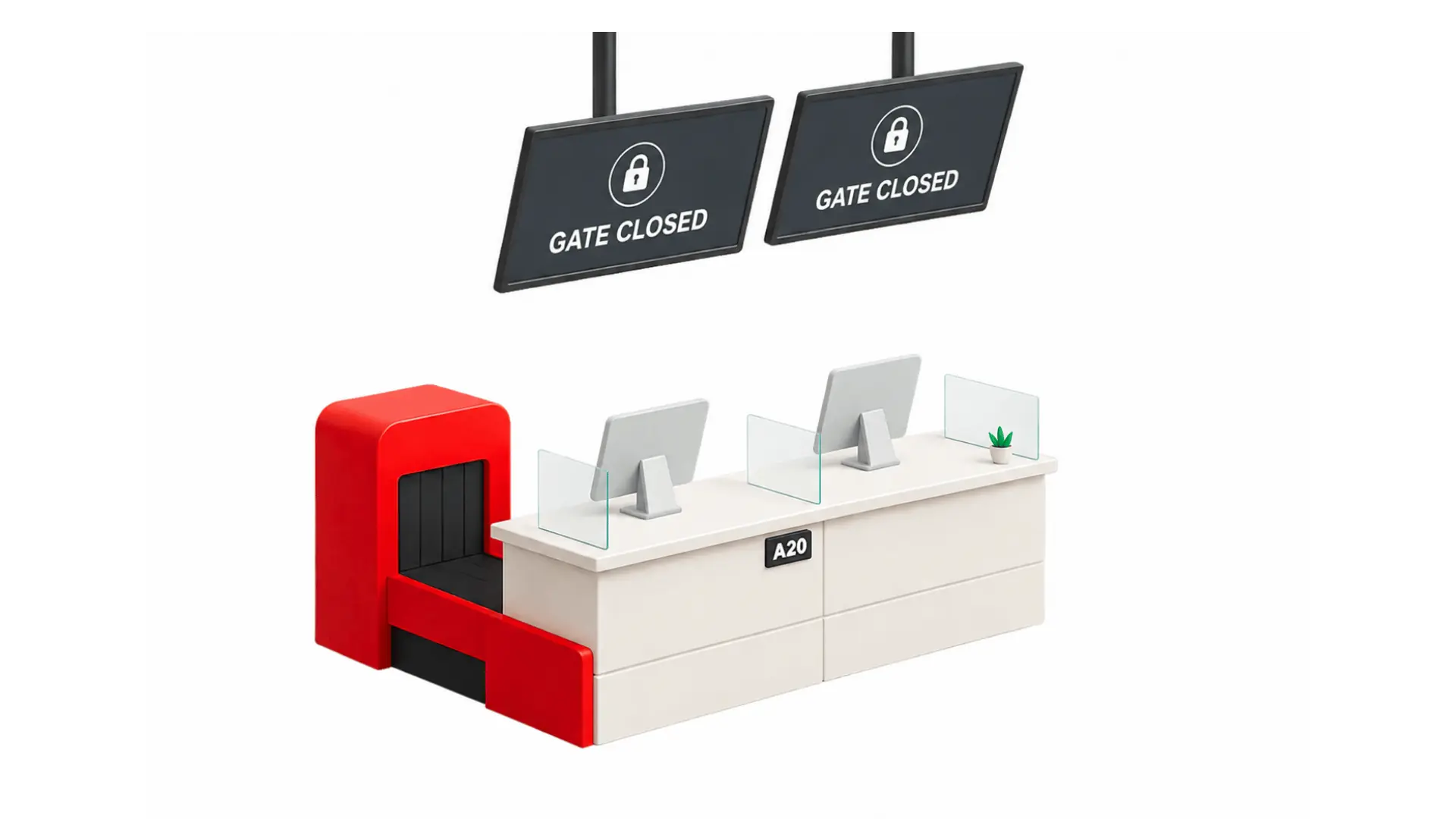
Passenger flow management
Enhanced security measures
Maintaining a high level of security is essential in airports. However, security procedures can sometimes create crowding and inconvenience for passengers. Effective passenger flow management involves implementing advanced security technologies and processes that balance thoroughness with speed. This ensures not only the safety of travelers but also contributes to a smoother and more satisfying airport experience.
Optimal use of facilities
Airports are complex infrastructures with multiple facilities and resources. Effective passenger flow management involves optimizing the use of these facilities to prevent overcrowding and congestion. By analyzing passenger data and implementing smart scheduling, airports can distribute passenger traffic evenly across different areas, reducing the risk of overcrowded spaces and improving overall traveler comfort.
Passenger flow management
Technological innovations
In the era of digital transformation, airports are leveraging cutting-edge technologies to revolutionize passenger flow management. Artificial intelligence, biometrics, and data analytics are used to predict and manage passenger flows, enabling airports to proactively address potential issues. The integration of smart technologies not only improves operational efficiency but also enhances the overall passenger experience by offering innovative and convenient solutions.
Personalized services
Effective passenger flow management goes beyond simply moving people from one point to another. It involves understanding passengers’ needs and preferences in order to provide personalized services. Airports can use data analytics to understand traveler behavior, allowing them to tailor services and facilities to individual expectations. This personalized approach contributes to a more positive and satisfying airport experience.
For more information, click here.
Ready to learn more?
Make an appointment with our sales manager
Free 30-minute consultation