How real-time analytics is transforming the passenger experience
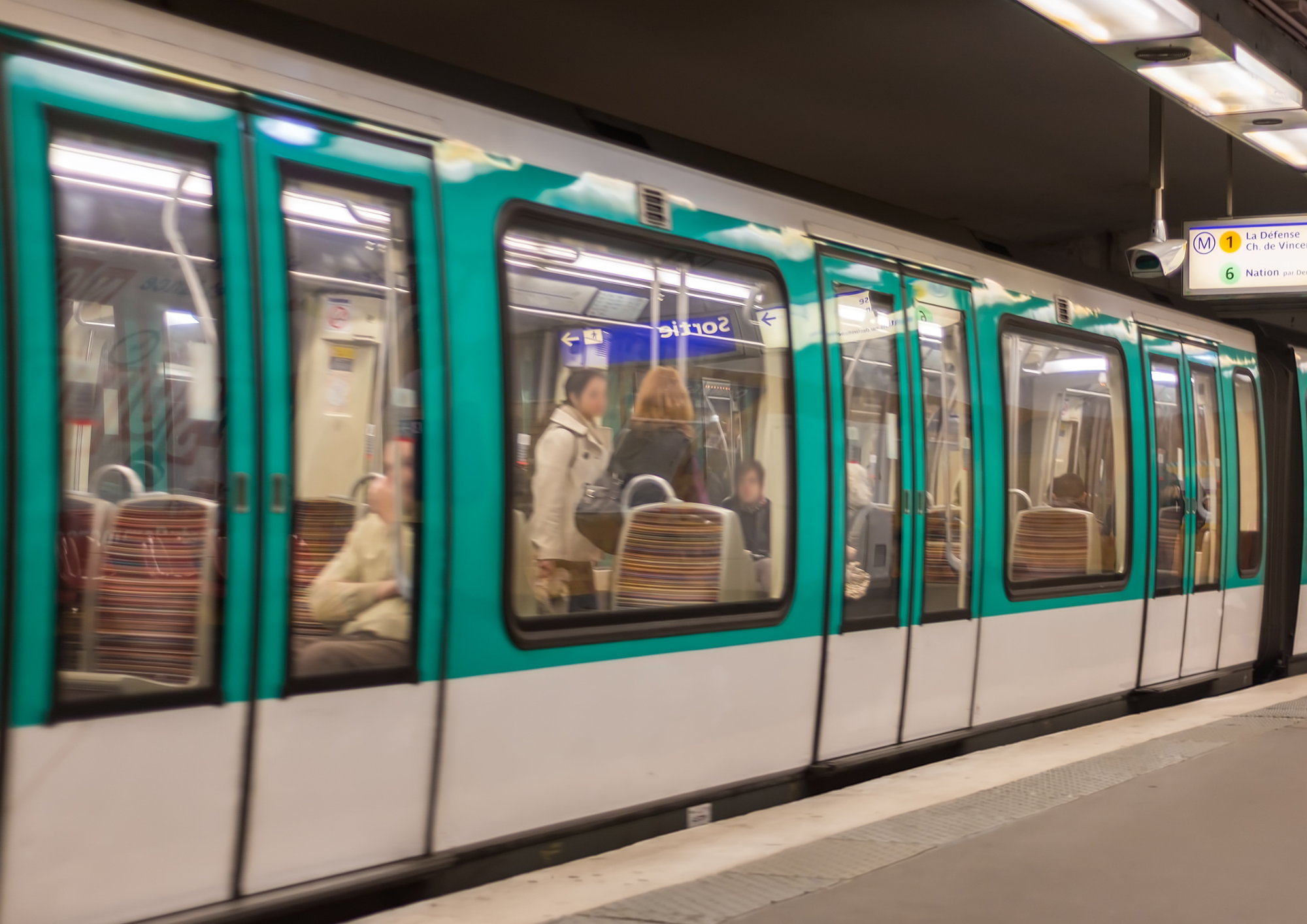
Boarding an overcrowded bus while another one arrives almost empty just a few minutes later this situation is not only frustrating, but also highlights a lack of relevant passenger information.
Today, transport networks are under constant pressure, and passengers expect far more than simple public transport timetables. They want to know what to expect.
This is now possible thanks to real-time passenger information, passenger counting systems, and flow analytics. Passengers can anticipate crowding levels, helping to smooth journeys and significantly improve both user experience and safety.
The challenge of real-time passenger information in saturated networks
The comfort challenge: why timetables are no longer enough
For a long time, passenger information systems relied mainly on theoretical timetables. However, this is no longer sufficient. This shift is driven by environmental challenges and evolving mobility habits.
A timetable does not provide any insight into:
- crowding levels on board
- onboard comfort
- the ability to board the vehicle
The result: overcrowding, increased stress, and sometimes even a reluctance to use public transport.
The solution: moving towards dynamic crowd management
To address these challenges, operators must shift towards real-time passenger information systems capable of integrating actual operating conditions. This is where accurate passenger flow measurement becomes essential.
Passenger flow analytics make it possible to visualize vehicle occupancy in real time, anticipate peak demand, and inform passengers even before the vehicle arrives.
This marks a transition from a static approach to a predictive and dynamic model.
Passenger counting: the engine of modern passenger information systems
From sensor to screen: the role of automatic passenger counting
Passenger counting technologies rely on smart sensors installed onboard vehicles or in stations, enabling precise measurement of boarding and alighting passengers.
This data is transmitted to a supervision platform to support decision-making and is also delivered to passengers in an intuitive way whether in stations or via mobile applications.
These technologies offer several key benefits:
- high accuracy, ensuring reliable data
- continuous data collection
- a strong foundation for analyzing trends and passenger behavior
By leveraging historical data, it is also possible to anticipate:
- peak hours
- congestion hotspots
- potential service disruptions
The importance of data accuracy
A passenger information system based on passenger counting can only perform effectively if the data is reliable.
Inaccurate data can lead to poor crowd estimation, loss of passenger trust, and operational inefficiencies.
This is why solutions like those developed by Acorel rely on advanced sensors capable of delivering high accuracy, even in complex or crowded environments.
Vision Mobility: structuring data for instant insights
Collecting data is not enough it must also be clear and actionable. This is where Vision Mobility, Acorel’s software platform, comes into play.
To find out more about our monitoring software or to request a demo, please visit the dedicated page.
It transforms complex data into simple, visual indicators that can be immediately understood by both passengers and operators.
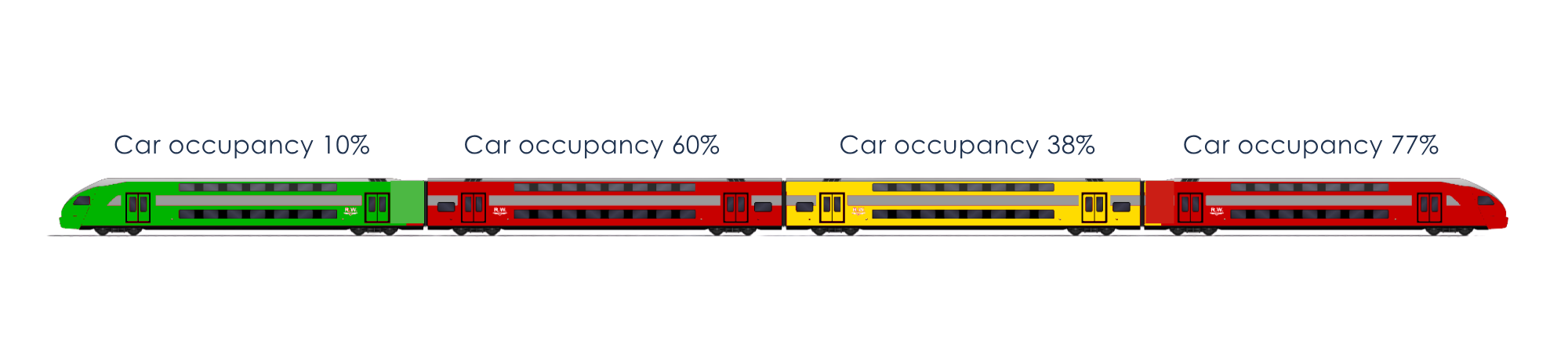
The system is based on a universal color code:
- 🟢 Green: low occupancy
- 🟠 Orange: moderate occupancy
- 🔴 Red: high occupancy
This approach enables instant understanding without cognitive effort. While simple, color coding relies on powerful psychological mechanisms.
Within seconds, passengers can decide to wait for the next vehicle, move to another door or platform, o adjust their journey.
Information is accessible across multiple channels: station displays, platform screens, and mobile applications. This omnichannel approach ensures that passengers are informed at every stage of their journey.
Optimizing passenger information with color coding
Reducing stress and improving the passenger experience
Uncertainty is one of the main sources of stress in public transport. By providing clear crowding information, passengers regain control and reduce anxiety becoming active decision-makers in their journeys.
This is also a powerful lever for increasing passenger satisfaction and loyalty.
Load balancing across the network
Another major benefit is improved passenger distribution. With access to real-time information, passengers naturally adjust their behavior some wait for the next vehicle, while others move to less crowded areas.
The result:
• better capacity utilization
• reduced overcrowding
• fewer service disruptions
Universal accessibility
Color coding has a key advantage: it is universal. There is no need to understand a specific language or interpret complex data.
It is therefore accessible to all users, including tourists and passengers with cognitive impairments.
The information is:
- Visual
- Immediate
- Intuitive
Case study: Cross River Rail (CRR) project in Australia
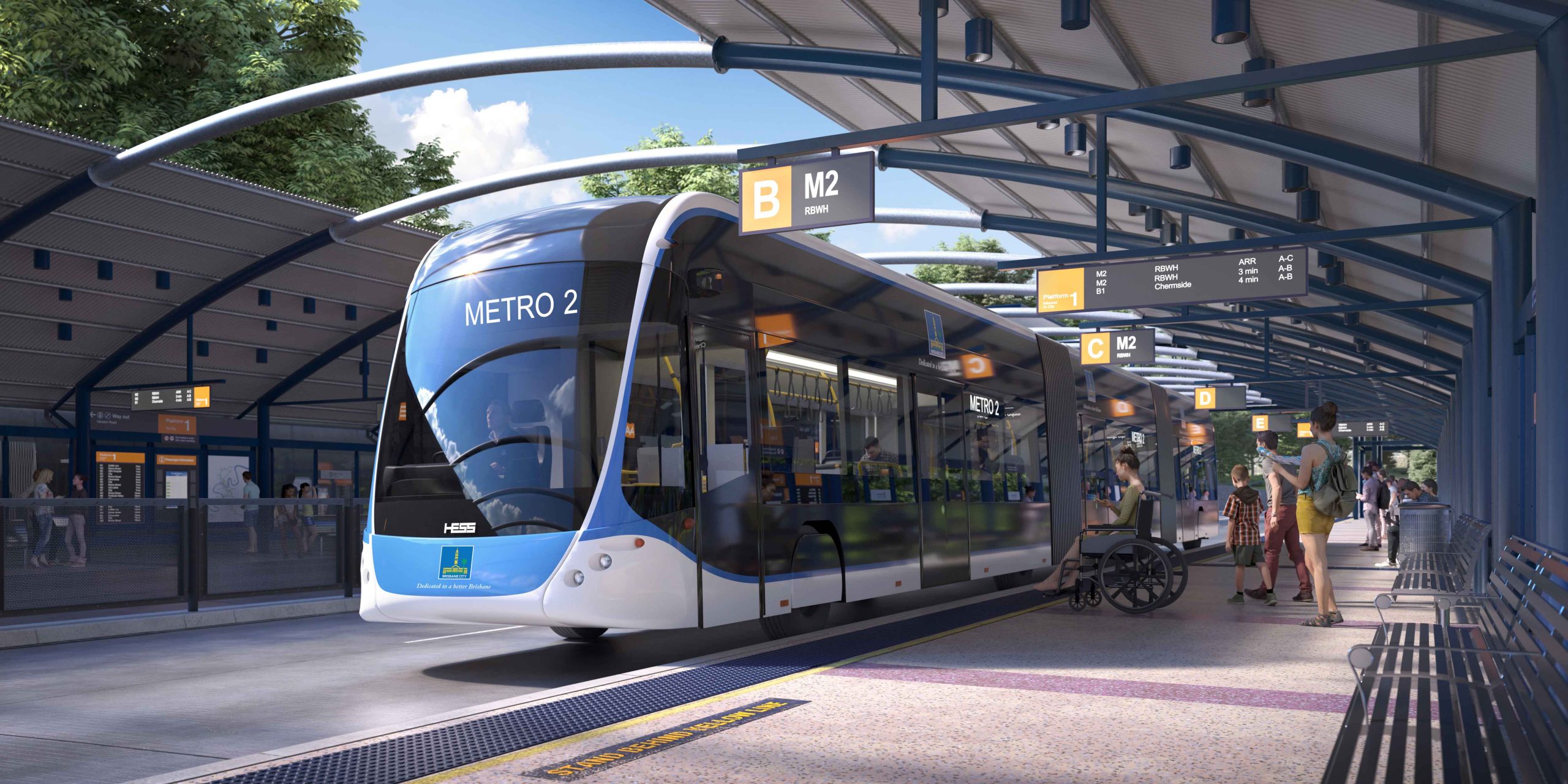
The Cross River Rail (CRR) project in Australia perfectly illustrates the impact of passenger information systems based on passenger counting. The objective was to better manage passenger flows in metro stations, broadcast on the stations.
Acorel deployed a comprehensive solution including:
- passenger counting sensors
- real-time flow analytics
- dynamic displays showing occupancy levels
Passengers can visualize crowding levels even before the train arrives.
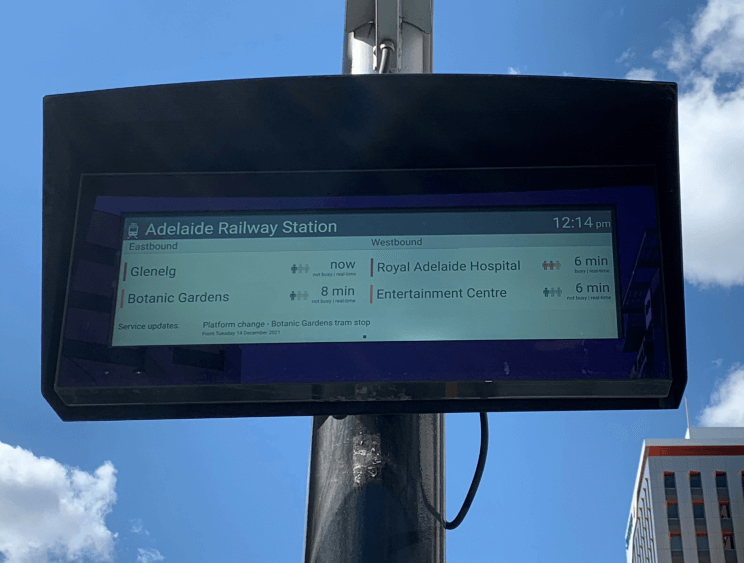
The observed benefits include:
- improved passenger flow
- reduced congestion
- enhanced thermal and physical comfort
- better peak-time management
This project clearly demonstrates the effectiveness of real-time passenger information systems in public transport.
To conclude, passenger information in public transport is undergoing a major transformation driven by data. By combining passenger counting, flow analytics, and real-time information, transport networks are becoming smarter, more efficient, and more passenger-centric.
Want to improve passenger information on your network?
Contact Acorel to discover how Vision Mobility solutions can transform your passenger experience.