28 May 2026

How to manage passenger flows in airports

Airports are struggling to manage passenger flows after COVID due to rapid traffic recovery and reduced staffing, leading to long queues across key checkpoints. Advanced technologies like AI-powered computer vision and smart sensors are becoming essential to optimize flow management and improve operational efficiency.

How to manage passenger flows in airports

Post-COVID: How can the situation be restored?

After nearly two years of COVID disruption, airports have come back to life over the past few months, and planes are once again full. Air traffic is finally recovering after an unprecedented crisis in the history of commercial aviation.

However, this recovery has not come without challenges quite the opposite.

Many airports reduced their workforce to cope with the sharp decline in air traffic during the health crisis. Yet the rebound has been much faster than expected, defying all forecasts that predicted a return to normal only by 2024 or even 2025.

As a result, queues have grown excessively long at check-in counters, security checkpoints, passport control, and even baggage claim areas across the majority of major European airports, creating widespread disruption.

Beyond the need for effective human resource management to ensure smooth airport operations, the question of optimizing passenger flows at key touchpoints throughout the journey has become critical.


Our expertise in managing passenger flows

At Acorel, we provide innovative solutions to anticipate and better manage passenger flows and waiting areas.

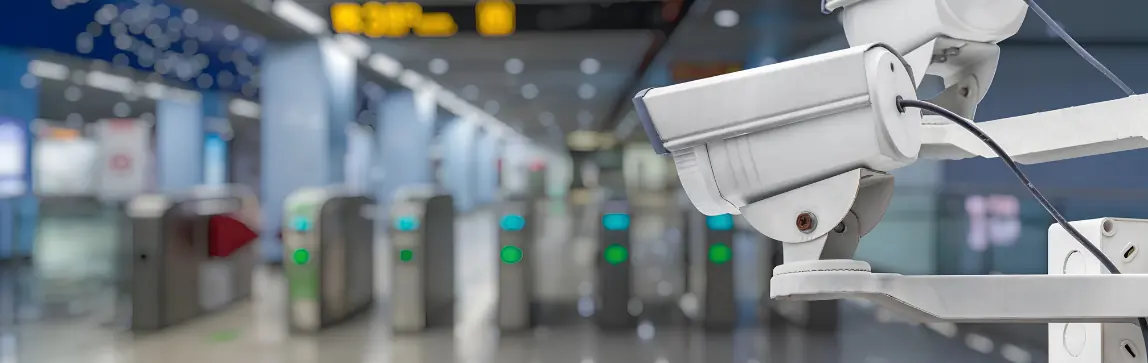
For over 30 years, we have leveraged the most advanced sensor technologies to detect and count passengers. Our evolution has ranged from passive and active infrared sensors decades ago, to 2D cameras using image processing techniques, and now to LiDAR sensors and 3D stereoscopic cameras currently the most advanced technologies in terms of detection and counting accuracy.

With 3D stereoscopic cameras, counting accuracy reaches up to 99%. This improvement is driven not only by sensor technology but also by the increasing computational power of CPUs and GPUs.

We invite you to explore our dedicated air transport page for more information.


Our expertise in managing passenger flows

The role of artificial intelligence

In recent years, artificial intelligence and machine learning have opened new possibilities in the field of people detection and counting.

By leveraging neural networks and specialized learning algorithms, it is now possible to detect and count people in real time using video streams from surveillance cameras. These new algorithms offer high accuracy in both indoor and outdoor environments.

AI applied to computer vision introduces a new approach, enabling detection and counting using more accessible and cost-effective data capture technologies namely, standard 2D video cameras.

Combined with the continuous increase in computing power of modern computers and microcomputers, computer vision is poised to become a key technology for passenger counting and queue management in airports.

At Acorel, this is precisely what we are working on and our initial results are already very promising.

Ready to learn more?

Make an appointment with our sales manager

Free 30-minute consultation

Book an appointment
Commercial team:
Bruno AULAGNER

Bruno AULAGNER

Business Developer
Share

France

Intelligent Passenger Flow Management Across Paris’s Busiest Airports

Sensor deployment at scale
  • 97M+ Passengers per year across Paris airports

  • 40+ Waiting areas equipped with sensors

  • 98%+ Sensor accuracy (LIDAR & 3D Video)

  • 22 Airports managed internationally by the group

Optimizing airport operations with real-time passenger flow intelligence
France, Paris

Optimizing airport operations with real-time passenger flow intelligence

  • Passengers (2025): ~10 million

  • Areas Covered: 5+ critical airport zones

  • Technologies Used: LIDAR, 3D video, computer vision

  • Duration: Ongoing

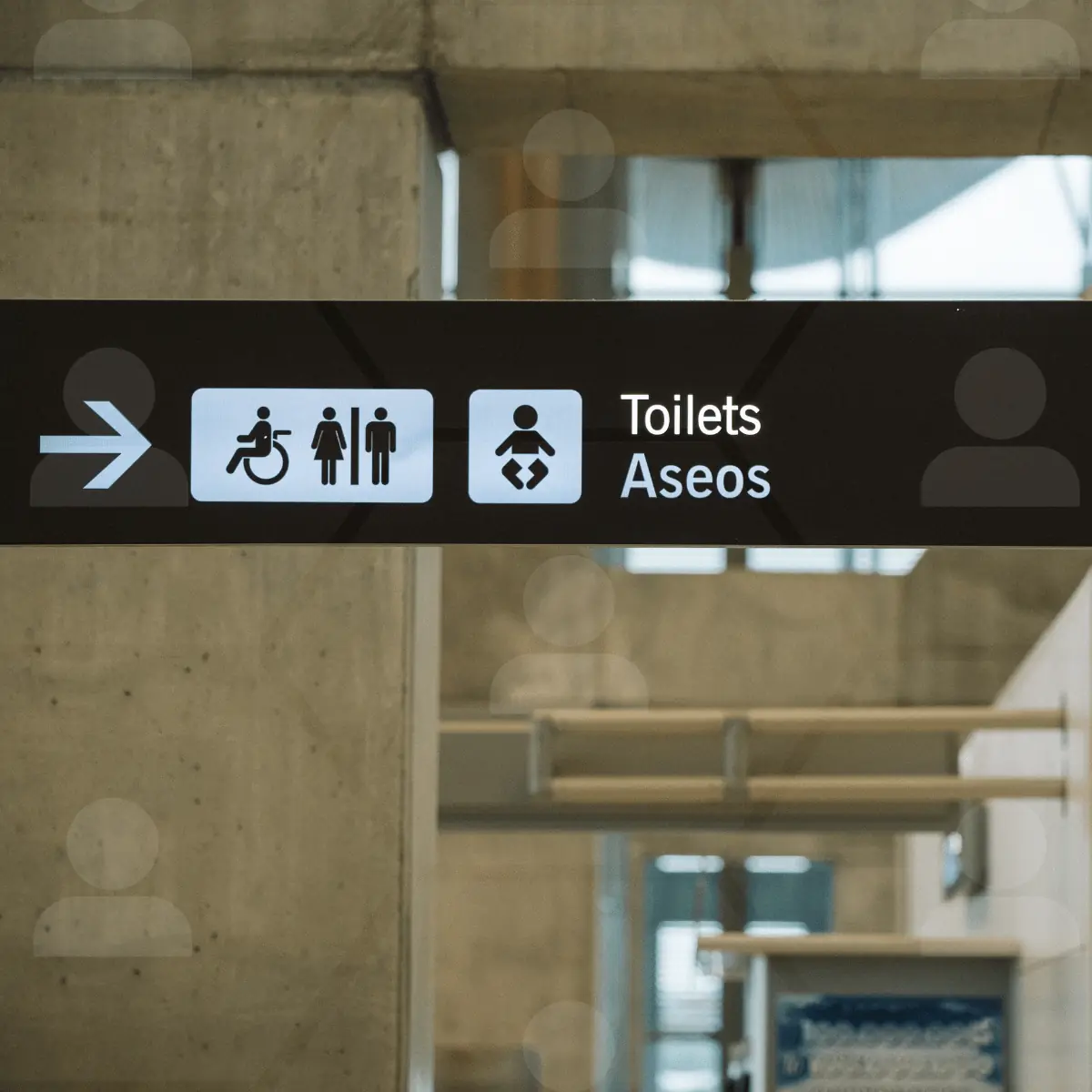
Smart toilet block management
Under NDA

Smart toilet block management

Impact:
  • Reduce overcrowding during peak periods

  • Improve hygiene standards

  • Optimise staff allocation

  • Reduce unnecessary cleaning interventions

  • Improve operational responsiveness