Rail networks run under constant pressure. During rush hour, a delay of just a few minutes can clog a platform, slow passenger boarding and disrupt an entire line. Operators don’t just manage train circulation anymore. They manage passenger movement in real time.
That’s where predictive analytics comes in.
With passenger counting data, onboard sensors and AI-based forecasting tools, rail operators can spot overcrowding risks before stations become saturated.
At Acorel, we develop passenger counting and flow analysis solutions for rail networks, metro systems, tramways and stations. The goal is simple: help operators make faster decisions with reliable data.
What is predictive analytics in rail transport?

Predictive analytics in rail transport uses statistical models and machine learning algorithms to analyze historical and real-time data.
In the rail sector, these systems help operators forecast:
- peak passenger periods
- train overcrowding risks
- station congestion
- passenger traffic changes linked to weather, events or disruptions
Control centers can then adjust operations before passengers even notice a problem.
Data quality changes everything
A predictive model is only as good as the data it receives.
Most rail analytics platforms combine several data sources:
- timetable data
- train circulation history
- ticketing information
- weather conditions
- sports and cultural events
- real passenger occupancy inside trains and stations
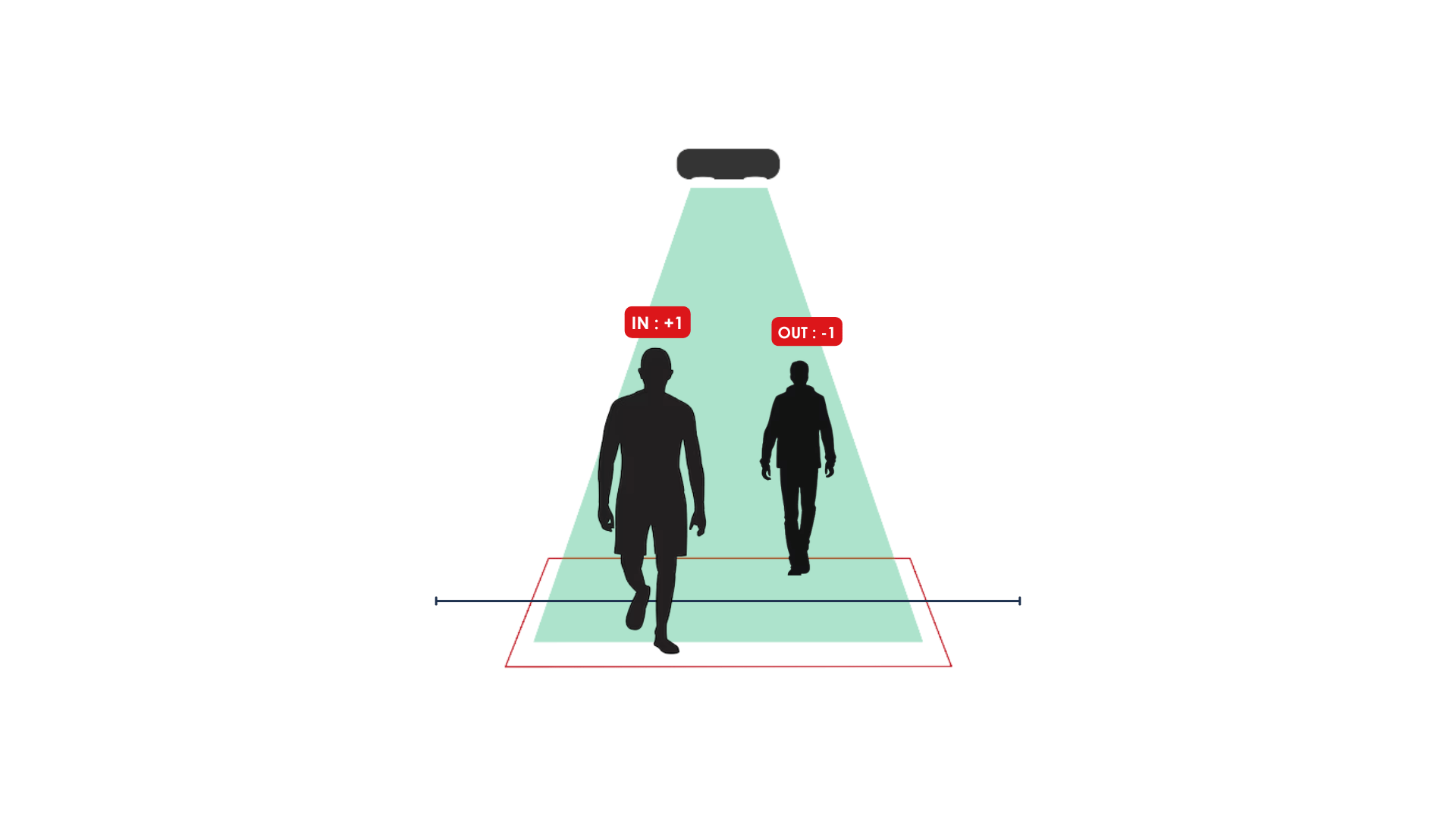
Acorel’s passenger counting systems measure passenger flow with a very high level of accuracy.
Our 3D sensors, installed above train or tram doors, count boarding and alighting passengers in real time. On some networks, accuracy rates exceed 99%.
That data helps operators:
- adjust train composition
- modify service frequency
- position field teams where needed
- anticipate congestion points before they escalate
Discover our passenger counting solutions designed for the rail sector.
How AI predicts passenger peaks
Predictive models identify recurring patterns inside network data.
A rainy day can increase passenger traffic on specific lines. A concert can overload a station several hours before the event starts. A disruption on one connection can shift passenger flow toward another route.
With enough historical data, algorithms learn these patterns automatically. Operators then get a much clearer estimate of upcoming passenger loads across the rail network.
Anticipating peak demand improves capacity management
Many rail networks still react after congestion has already started. A train arrives overcrowded. Platforms become blocked. Teams step in once passenger movement has already slowed down.
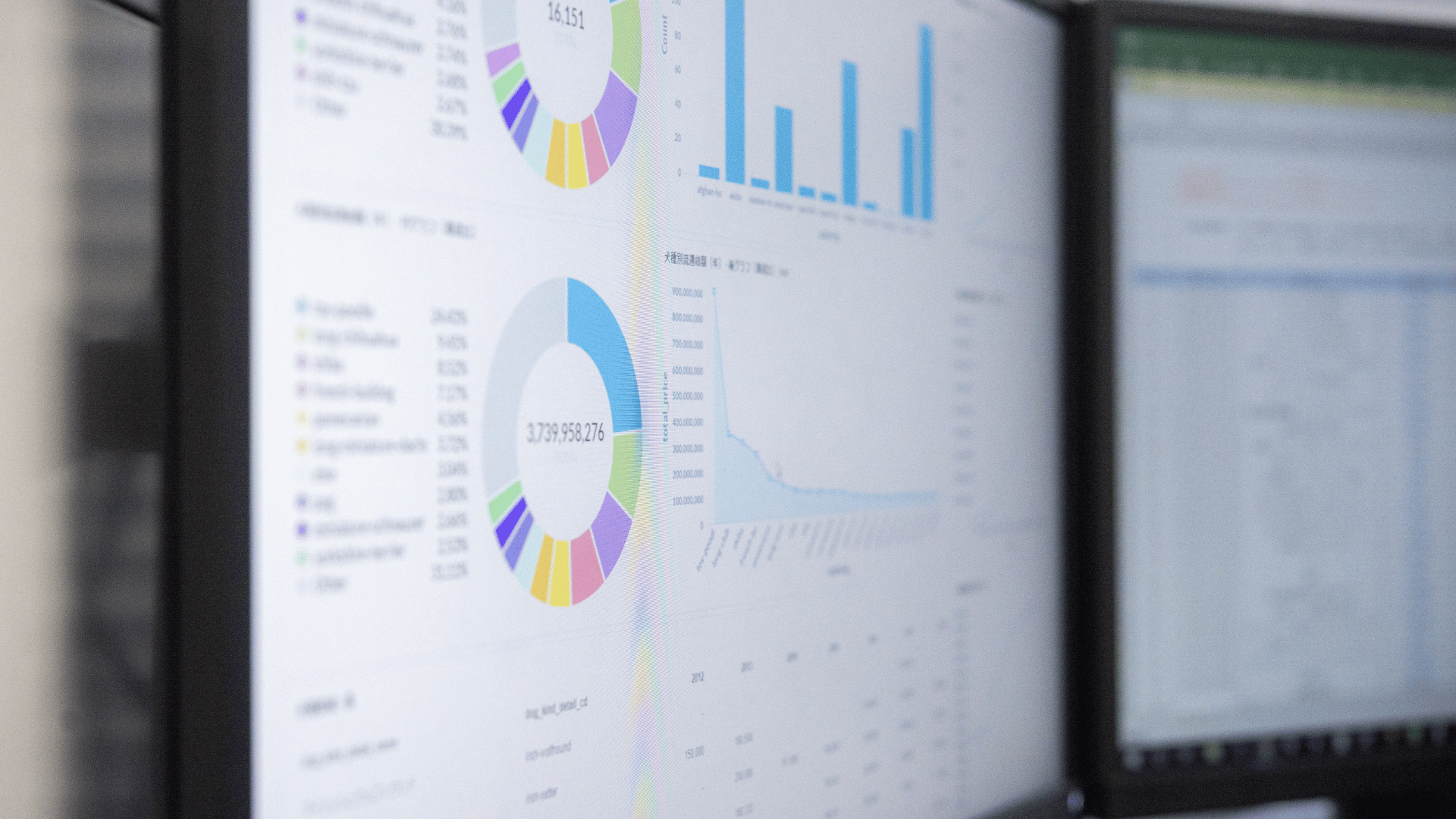
Supervision platforms continuously compare:
- observed passenger flows
- average load levels
- congestion thresholds defined by operators
When a risk is detected, alerts can be sent automatically to centralized control rooms.
What operators can adjust in real time
Adapt rolling stock
Some lines can receive additional trainsets during the busiest periods.
Modify service frequency
Extra trains can be deployed on specific time slots to absorb higher passenger volumes.
Improve passenger circulation inside stations
Field teams can be repositioned on the busiest platforms to reduce delays during boarding and alighting.
Inform passengers earlier
Mobile applications and information displays also help distribute passenger traffic by guiding travelers toward less crowded routes or schedules.
Want to anticipate congestion on your rail network?
Discover Vision Mobility, Acorel’s supervision software designed for passenger flow management.
Why rail operators invest in passenger flow analytics
Rail networks must transport more passengers while dealing with tighter operational constraints. Passenger occupancy data has become a real operational decision-making tool.
Transport authorities also use these analytics to adjust transport plans and prepare future infrastructure projects.
Real-world example: managing passenger flow during a sports event
Take a stadium located next to a regional train station. Before a match, predictive analytics tools can estimate:
- the busiest arrival times
- platforms likely to become saturated
- overloaded transfer connections
- additional staffing requirements
Operators can then adapt operations several hours in advance by adding extra trains, reinforcing field teams, adjusting passenger announcements, or modifying train frequency. This anticipation significantly reduces congestion risks once the event ends.
The operational benefits of predictive analytics in rail transport
|
Objective |
Operational impact |
|
Reduce congestion |
Smoother passenger circulation on platforms and inside trains during peak hours |
|
Improve punctuality |
Fewer delays linked to passenger boarding and exchanges |
|
Better resource management |
More accurate deployment of field teams |
|
Passenger comfort |
Lower overcrowding levels |
|
Energy consumption |
Train circulation adjusted to actual demand |
These gains directly affect daily rail operations. Running nearly empty trains costs money. Managing severe overcrowding costs even more.
For conclude, predictive analytics is no longer limited to large rail networks. The technology is already operational and connected to everyday transport challenges. Anticipating passenger peaks helps operators reduce congestion before it happens, use rolling stock more efficiently and position teams where they’re actually needed. And passengers feel the difference quickly, especially during rush hour.
Everything depends on one thing though: reliable passenger counting data.
Acorel provides onboard 3D sensors and the Vision Mobility supervision platform to help operators measure passenger occupancy in real time, with accuracy rates reaching 99% on some networks. The data integrates directly into supervision platforms and forecasting systems. All solutions are fully GDPR compliant.
Want to improve passenger flow management across your rail network?
Contact Acorel’s experts and discover how Vision Mobility can help improve your capacity management strategy.
Read more about passenger flow optimization in rail transport:
Station passenger counting systems : a key lever for managing passenger flows and enhancing safety
Safety on board trains : why passenger counting has become essential